
Tesla's Robotaxi Revolution: Why Scale Will Eclipse Waymo's Lead
Waymo leads on driverless rides today. But I think Tesla robotaxi scale - eight cameras, no city maps, and a factory nobody can match - flips the whole race within two years.
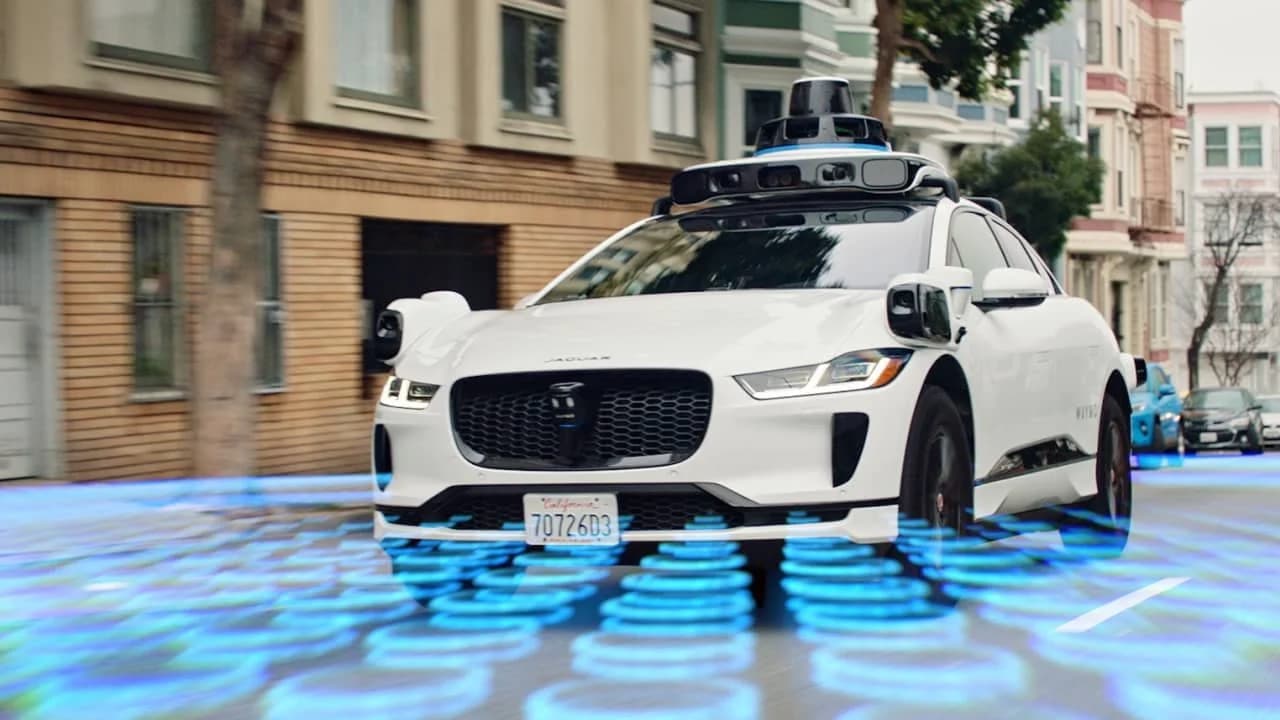
The Battle for Autonomous Mobility Heats Up as Tesla's Generalized AI Approach Poised to Redefine the Industry
Tesla's strategy in autonomous vehicles centers on building from the ground up with minimal hardware, aiming for massive scale that could rapidly outpace competitors focused on high-cost, region-specific systems. This shift promises not just safer rides but a complete transformation in urban transportation economics.
Key Takeaways
Tesla prioritizes low-cost hardware like eight cameras to enable widespread deployment, contrasting with competitors' reliance on complex sensors and mapping.
While some players lead in current driverless operations across multiple markets, Tesla's focus on generalized AI could allow instant scaling without geographic limits.
Successful validation of Tesla's safety levels could turn its manufacturing dominance into an unbeatable edge in robotaxis.
Current rollouts emphasize safety and data collection, with acceleration in regions and fleet size as key indicators of progress.
Pricing strategies signal a push toward the lowest cost per mile, leveraging scale for long-term profitability once demand surges.
Members only
The rest of this issue is part of the Farzad Corner membership. Sign in if you're already a member, or join to get access.