
Tesla's Robots: The Dawn of a $40 Trillion Revolution
Tesla wants to build a million Optimus robots a year while rivals count in the thousands. I think the real edge is boring stuff nobody talks about: the supply chain, the chips, and robots that help build robots.
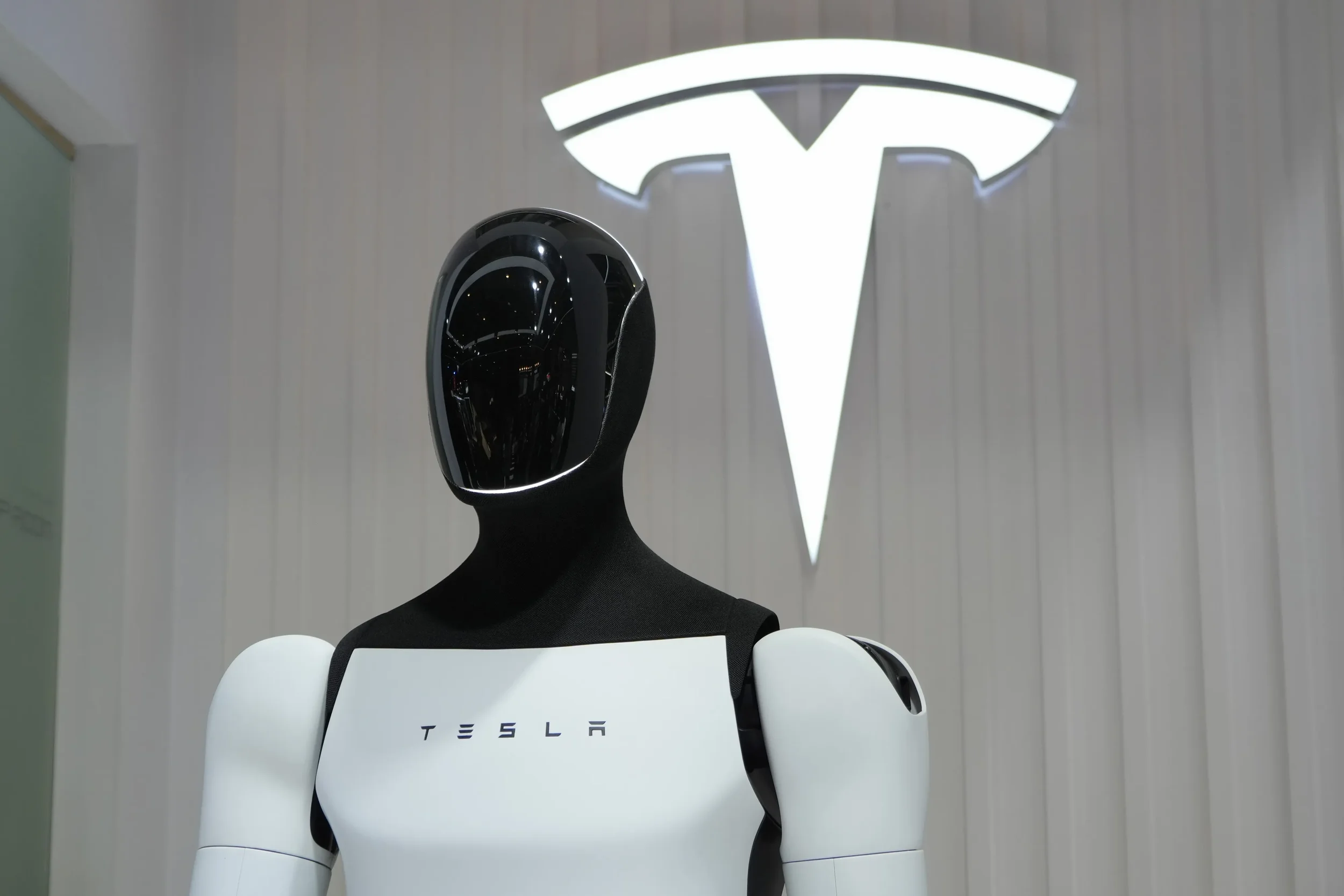
Unlocking the future where humanoid robots redefine global labor and Tesla leads the charge
Humanoid robots stand poised to transform industries by handling physical tasks humans prefer to avoid, creating unprecedented economic value. Tesla's aggressive push into this space leverages years of manufacturing expertise, potentially capturing a market worth trillions annually through superior scale and integration.
Key Takeaways
Tesla aims to produce 50,000 Optimus robots in 2026, scaling to 1 million units annually soon after, with factory capacity for 10 million by 2027.
Vertical integration gives Tesla control over critical components like batteries, motors, and AI chips, enabling rapid scaling without supplier dependencies.
Competitors like startups and established robotics firms lag in production ambitions, targeting far fewer units over longer timelines.
Tesla's custom AI chips and vast real-world data from autonomous driving provide unmatched advantages in robot intelligence and efficiency.
Recursive manufacturing—robots building robots—creates a feedback loop for cost savings and continuous improvement unique to Tesla.
The global human labor market, valued at over $40 trillion yearly, offers immense growth potential as robots automate repetitive tasks in manufacturing, warehousing, and beyond.
Members only
The rest of this issue is part of the Farzad Corner membership. Sign in if you're already a member, or join to get access.