
Why Tesla's Optimus Will Dominate the Robot Revolution
Rivals ship simple grippers that work now. Tesla Optimus dexterity bets on 22 degrees of freedom and lets AI catch up. I think that gap decides who wins the robot race.
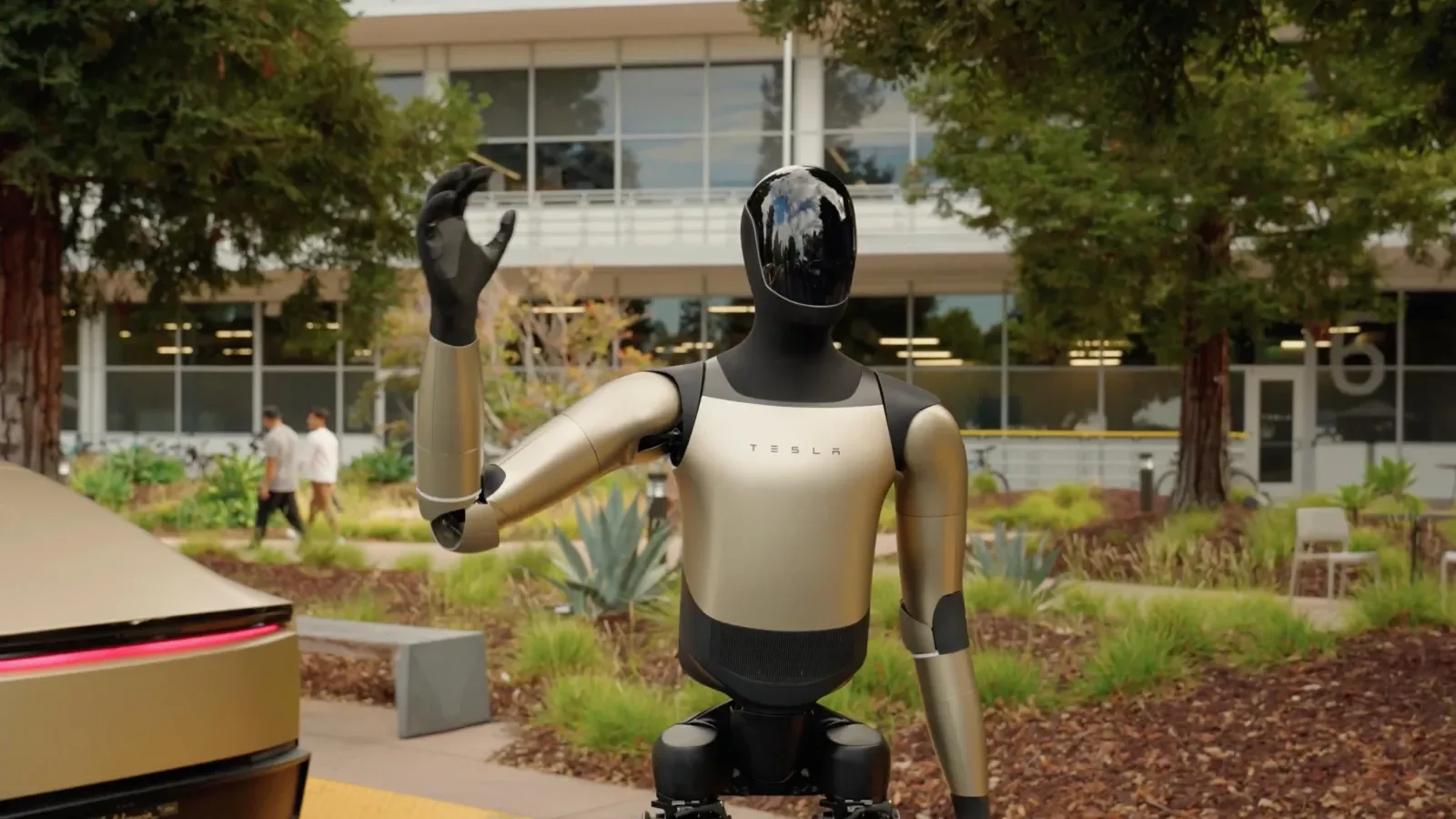
The Hardware Bet That's Changing Everything
Tesla's approach to building humanoid robots sets it apart by prioritizing future-proof hardware over immediate functionality. While competitors focus on simpler designs that work well today, Tesla invests in complex systems that will unlock human-like capabilities as AI advances rapidly.
Key Takeaways
Tesla designs Optimus with hands featuring 22 degrees of freedom, aiming for near-human dexterity from the start, even if it means slower short-term progress.
Other companies use simpler grippers with fewer degrees of freedom to deploy robots quickly in factories, but this limits their potential for advanced tasks.
AI improvements will allow software updates to enhance Optimus without hardware redesigns, mirroring the evolution of Tesla's self-driving technology.
Tesla's massive data collection from vehicles and future robot deployments creates a self-reinforcing cycle that accelerates AI training.
By 2028-2030, robots with true dexterity could transform industries like manufacturing and medicine, giving early adopters of advanced hardware a massive edge.
Members only
The rest of this issue is part of the Farzad Corner membership. Sign in if you're already a member, or join to get access.