
Tesla’s Self-Driving Breakthrough: Conquering Manhattan’s Chaos
Tesla FSD Version 14 drove two hours through Manhattan and handled cabs, cones, and emergency vehicles like a local. Here's what that means for robotaxis - and where it still falls short.
Why Version 14 Could Redefine Urban Mobility
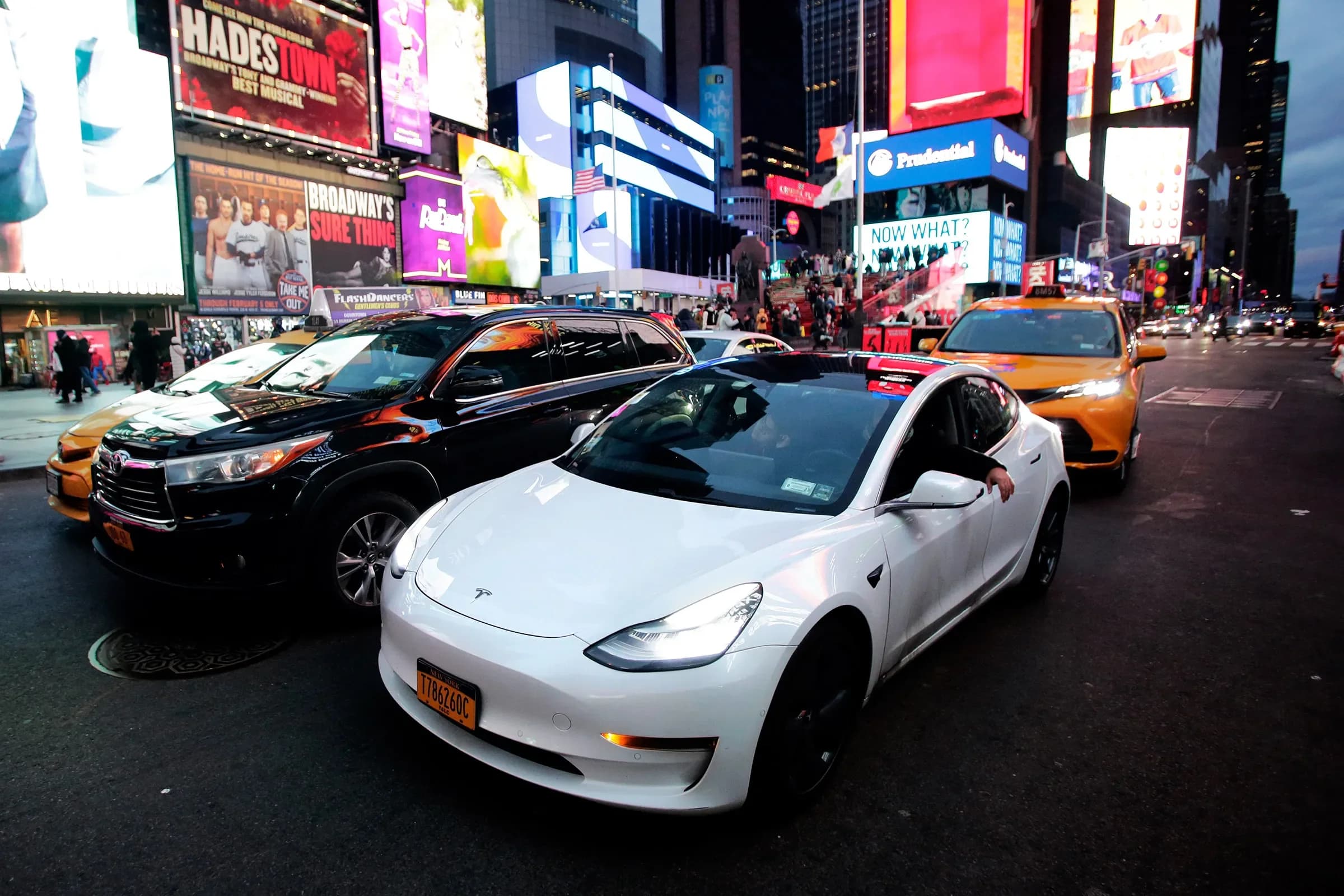
Manhattan’s streets are a gauntlet of unpredictable pedestrians, aggressive cabbies, and relentless traffic. Yet, Tesla’s Full Self-Driving (FSD) Version 14 is navigating this chaos with the confidence of a seasoned New Yorker. This isn’t just incremental progress—it’s a leap toward a future where cars don’t just drive but think and react like the best human drivers. For tech enthusiasts, this is a pivotal moment: Tesla’s FSD is proving itself in one of the world’s toughest driving environments, raising questions about the future of transportation, urban living, and vehicle ownership.
Key Takeaways
Manhattan Mastery: FSD Version 14 handles New York City’s chaotic streets with near-human precision, navigating complex scenarios like lane changes, emergency vehicles, and construction zones.
New Yorker Instincts: The software mimics the assertive, quick-decision driving style of native New Yorkers, cutting drive times and boosting efficiency.
Drop-Off and Pickup Progress: Version 14 executes smooth curbside drop-offs and pickups, though parking in complex garages still needs refinement.
User Education Gap: Tesla’s lack of clear tutorials and fragmented update process hinders mainstream adoption, despite the software’s capabilities.
Robotaxi Potential: With further localization and unsupervised driving, Tesla could transform urban mobility, slashing costs like parking (up to $800/month in Manhattan).
Hardware Challenges: Fragmentation across hardware versions (e.g., HW3 vs. HW4) creates confusion, requiring clearer communication from Tesla.
Members only
The rest of this issue is part of the Farzad Corner membership. Sign in if you're already a member, or join to get access.