
Tesla's Cybercab: The Bet That Could Upend Global Transportation
If autonomous EVs really push the cost per mile down to 20 cents, we don't just get cheaper rides. We get a market that grows 5-10x and takes whole industries down with it.
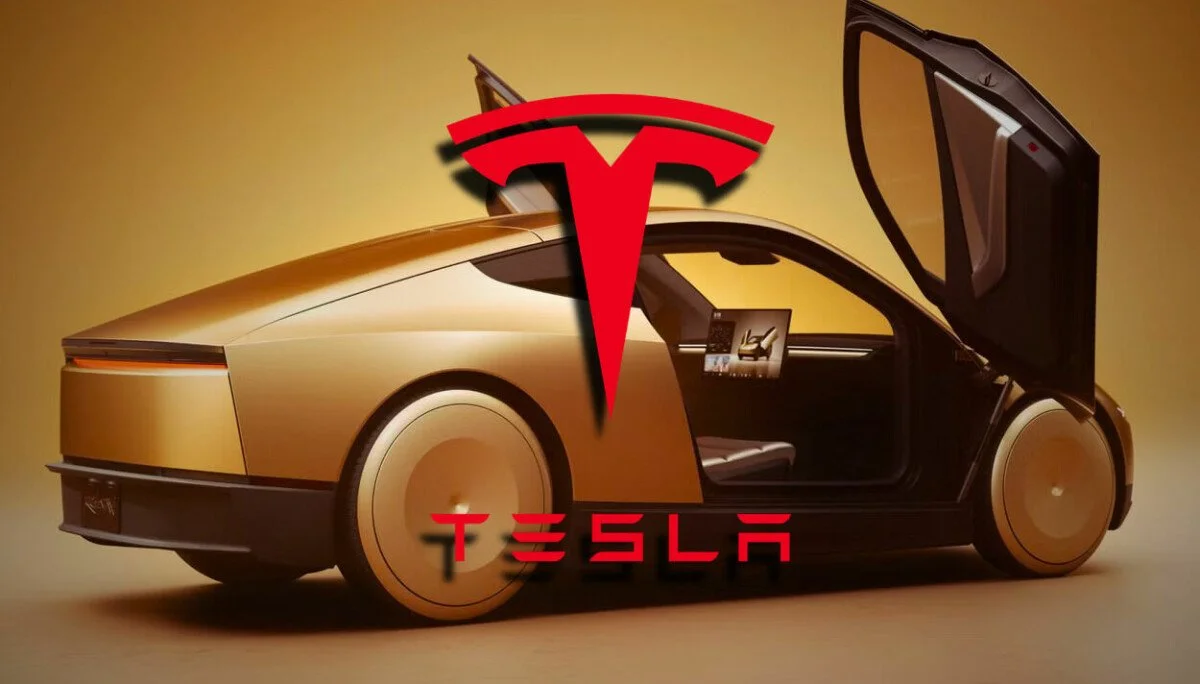
Slashing the Cost of Mobility to Pocket Change and Unleashing Unprecedented Demand
Transportation costs dictate how cities function, how people live, and how economies grow. A new vehicle rolling off production lines promises to drop the cost per mile to just 20 cents, unlocking waves of new usage patterns, from spontaneous errands to affordable rides for underserved groups. This shift mirrors historical transformations where cheaper access exploded markets, creating suburbs, air travel booms, and digital content floods. Backed by innovative manufacturing and full autonomy, it positions one company to dominate while disrupting entrenched industries.
Key Takeaways
Transportation's core metric—the cost per mile—stands to fall from 60-80 cents for personal cars to 20 cents with autonomous electric vehicles, eliminating driver costs and simplifying maintenance.
Historical parallels like the Model T's assembly line show how production innovations cut prices by 70%, leading to exponential demand growth via Jevons Paradox, where efficiency boosts total consumption.
Vertical integration in design, software, chips, and charging gives a massive edge over competitors reliant on suppliers and geofenced operations.
Regulatory changes aim for national standards, enabling nationwide rollout and preempting fragmented state rules.
Industries like insurance, parking, gas stations, and auto repair face shrinkage, while new models allow individuals to own revenue-generating vehicles.
Job displacements for millions of drivers loom, but opportunities arise in fleet management and emerging services fueled by cheaper mobility.
Global market projections see robotaxis growing from $400 million in 2023 to $45 billion by 2030, driven by software-optimized flywheels.
Members only
The rest of this issue is part of the Farzad Corner membership. Sign in if you're already a member, or join to get access.