
Tesla's Battery Revolution
AI isn't just straining GPUs, it's straining the grid in millisecond bursts. I dig into why Tesla batteries for AI data centers might be the hidden backbone of the whole buildout.
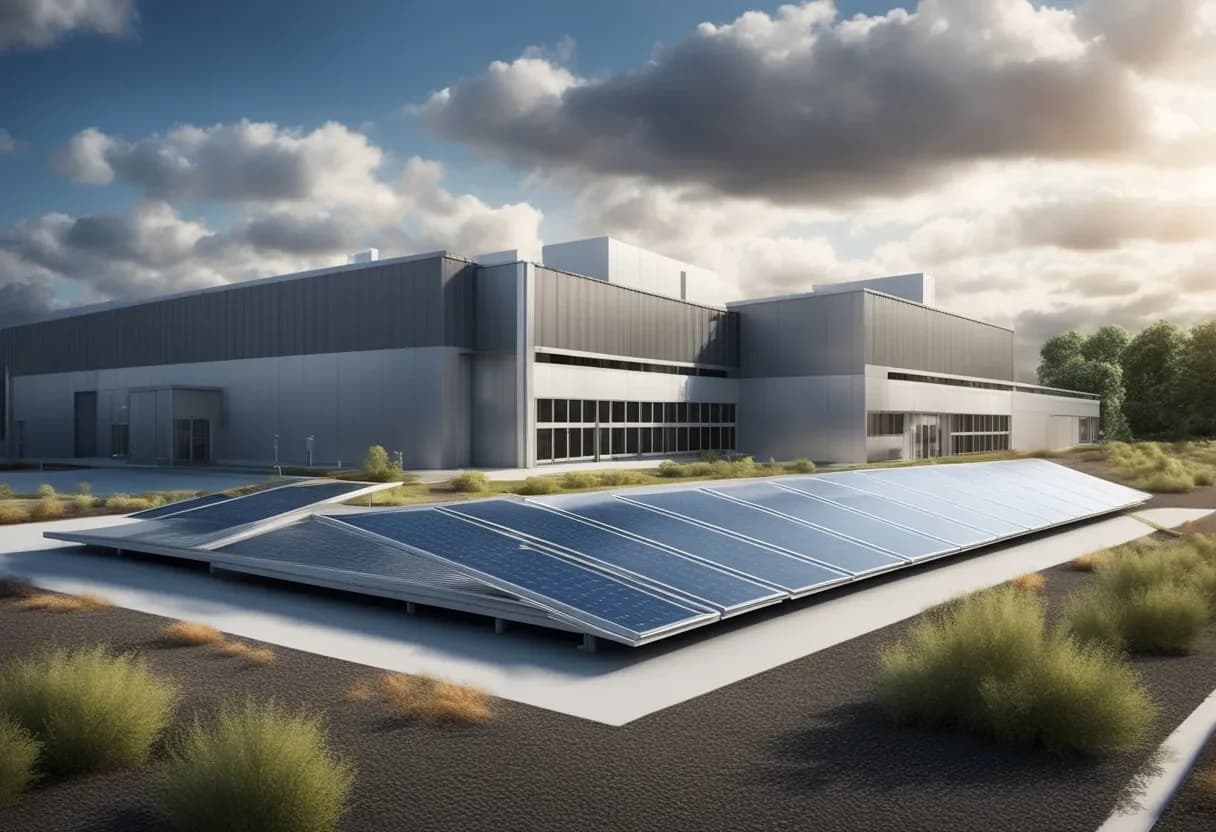
How Power Storage is Transforming AI Computing
AI isn’t just straining GPUs—it’s straining the grid.
Modern data centers packed with thousands of synchronized GPUs create instantaneous power surges that traditional electrical infrastructure simply wasn’t built to handle. Imagine the energy equivalent of an orchestra switching from thunderous to silent—in milliseconds, and at megawatt scale.
That’s where Tesla’s battery systems enter the picture.
Unlike the grid, batteries can absorb and discharge energy at the speed of computation, smoothing out power spikes and optimizing energy use across AI workloads. In some cases, they’re so efficient they pay for themselves in energy savings alone.
Inside this breakdown:
Why AI data centers are creating second-by-second energy volatility
How Tesla’s short-duration batteries solve these challenges at scale
What Texas reveals about flexible power markets and AI infrastructure
And how energy storage is becoming the hidden backbone of the AI revolution
As AI grows exponentially, managing its power demands won’t just be an engineering challenge—it’ll be a trillion-dollar opportunity.
The intersection of artificial intelligence and power infrastructure is creating fascinating new challenges and opportunities in the tech industry. As AI data centers continue to expand their computing capabilities, they face a unique power management challenge that Tesla's battery technology is perfectly positioned to address.
At the heart of this development is the way modern AI systems operate. When thousands of GPUs work in synchronized patterns, they create dramatic power fluctuations that can stress traditional electrical grids. These specialized computers perform intense calculations simultaneously, causing power usage to spike and drop dramatically within fractions of a second. Think of it like an orchestra suddenly shifting from fortissimo to pianissimo - except these changes involve megawatts of power occurring several times per second.
This is where Tesla's battery technology becomes crucial. Traditional power grids struggle to handle such rapid fluctuations, but battery systems can absorb and release energy almost instantaneously. The technology works like a sophisticated dam with instantaneous control - imagine being able to hold back or release massive amounts of energy at the speed of computation itself.
The efficiency gains are substantial. While some data centers have attempted to solve these power fluctuation issues by programming their GPUs to perform meaningless calculations during downtime to maintain steady power draw, this approach wastes significant energy. Battery storage systems offer a more elegant solution, potentially paying for themselves through energy savings while reducing the overall power capacity needed for data center operations.
The optimal configuration for these battery systems appears to favor shorter duration storage - typically two to four hours rather than eight to twelve. This preference stems from the need to manage brief but intense power spikes rather than sustained energy delivery. The key is having sufficient inverter capacity to handle these rapid power transitions, while also considering the practical lifespan of the battery systems themselves.
This development represents a significant market opportunity for Tesla, as the demand for AI computing continues to grow exponentially. Each data center location presents unique challenges based on local power infrastructure, climate conditions, and operational requirements. The solution often involves carefully balancing multiple power sources - from traditional grid connections to solar arrays and battery storage - to create the most cost-effective and reliable system.
The market-driven approach to solving these complex power management challenges highlights why regions with more flexible energy markets, such as Texas, are particularly well-positioned to lead in AI infrastructure development. These market mechanisms allow for rapid adaptation and optimization of power systems, creating price signals that drive innovation and improvement.
As AI computing continues to evolve, the role of sophisticated power management systems will become increasingly critical. Tesla's battery technology is not just solving a technical challenge - it's enabling the next generation of AI infrastructure development, demonstrating how energy storage solutions can help bridge the gap between our current power systems and the demanding requirements of future computing technologies.