
Taiwan's $10 Trillion Chip Crisis: Why Elon Musk Is Racing to Build His Own Semiconductor Empire
One island makes 90% of the world's advanced chips, and China wants it by 2027. I dug into the Taiwan chip crisis and why Musk's Tera Fab is the bet that pays off either way.
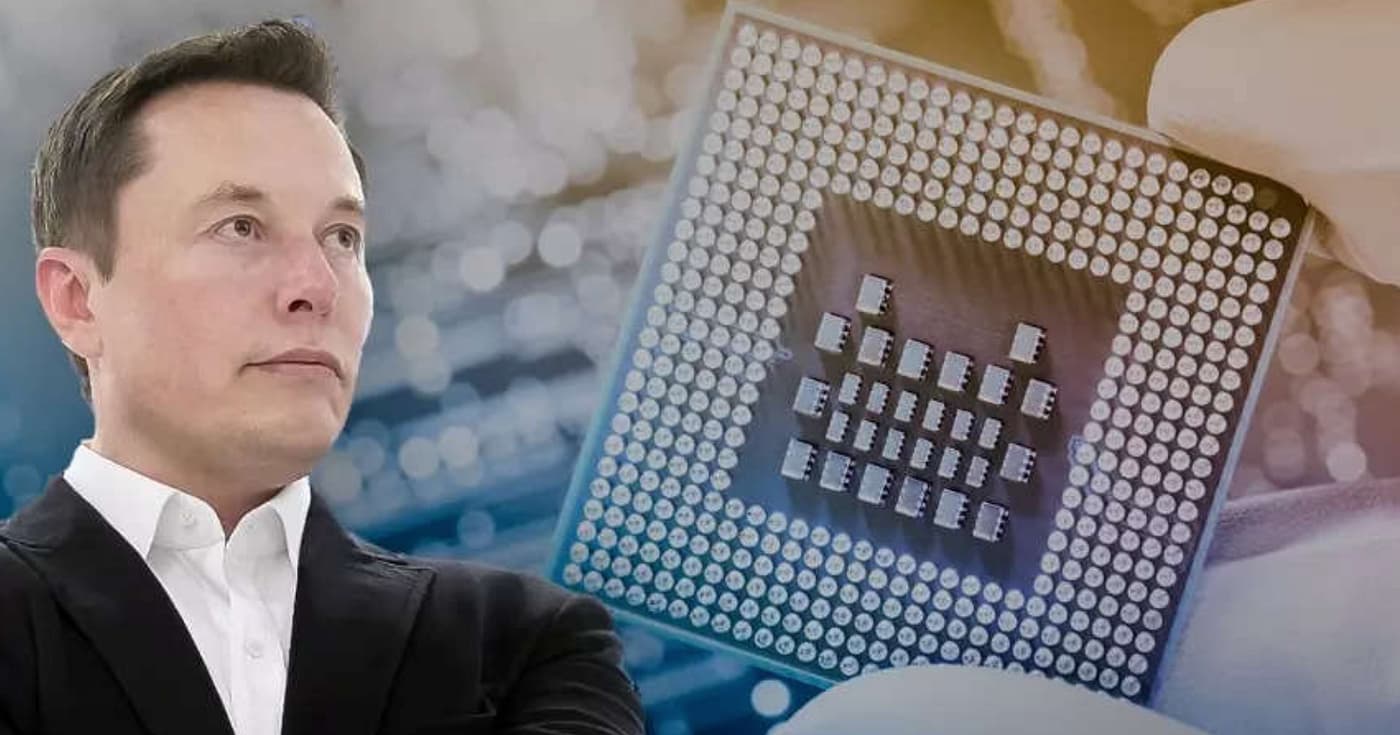
Global AI depends on one vulnerable island. Musk's Tera Fab could be the ultimate hedge—and a game-changer for Tesla and beyond.
The world's most advanced chips all come from one place: Taiwan. With China positioning forces for a potential takeover by 2027, the global economy faces a catastrophic risk estimated at $10 trillion in GDP losses in the first year alone. Yet amid this fragility, one leader is taking decisive action by investing tens of billions into domestic chip manufacturing independence. This move isn't just about one company—it's a signal of how tech giants are rethinking supply chains in an era of rising geopolitical tensions.
Key Takeaways
TSMC in Taiwan produces around 90% of the world's most advanced sub-7 nanometer chips, powering everything from AI systems to smartphones and defense tech.
China has directed its military to prepare for an invasion or blockade of Taiwan by 2027, with ongoing drills, incursions, and naval expansions increasing the pressure.
A disruption could wipe out $10 trillion from global GDP in year one—far exceeding the combined impacts of COVID-19 and the 2008 financial crisis—due to chip shortages crippling industries worldwide.
Tesla's new Tera Fab project aims for 2-nanometer process technology at massive scale, targeting production of hundreds of billions of custom AI and memory chips annually to support Tesla's autonomous vehicles, robots, and AI training.
This vertical integration strategy builds resilience against Taiwan risks while creating optimized, efficient silicon tailored to specific workloads in driving, robotics, and AI.
A broader "Sovereign AI" movement is underway, with countries and companies investing heavily in domestic chip and data center capacity to secure technological independence.
Members only
The rest of this issue is part of the Farzad Corner membership. Sign in if you're already a member, or join to get access.