
Self-Driving Revolution: How AI is Redefining Urban Life and Transportation
Self-driving cars are hitting zero interventions on hour-long drives, and I think that breaks more than traffic - it reshapes cities, jobs, and what we spend our attention on.
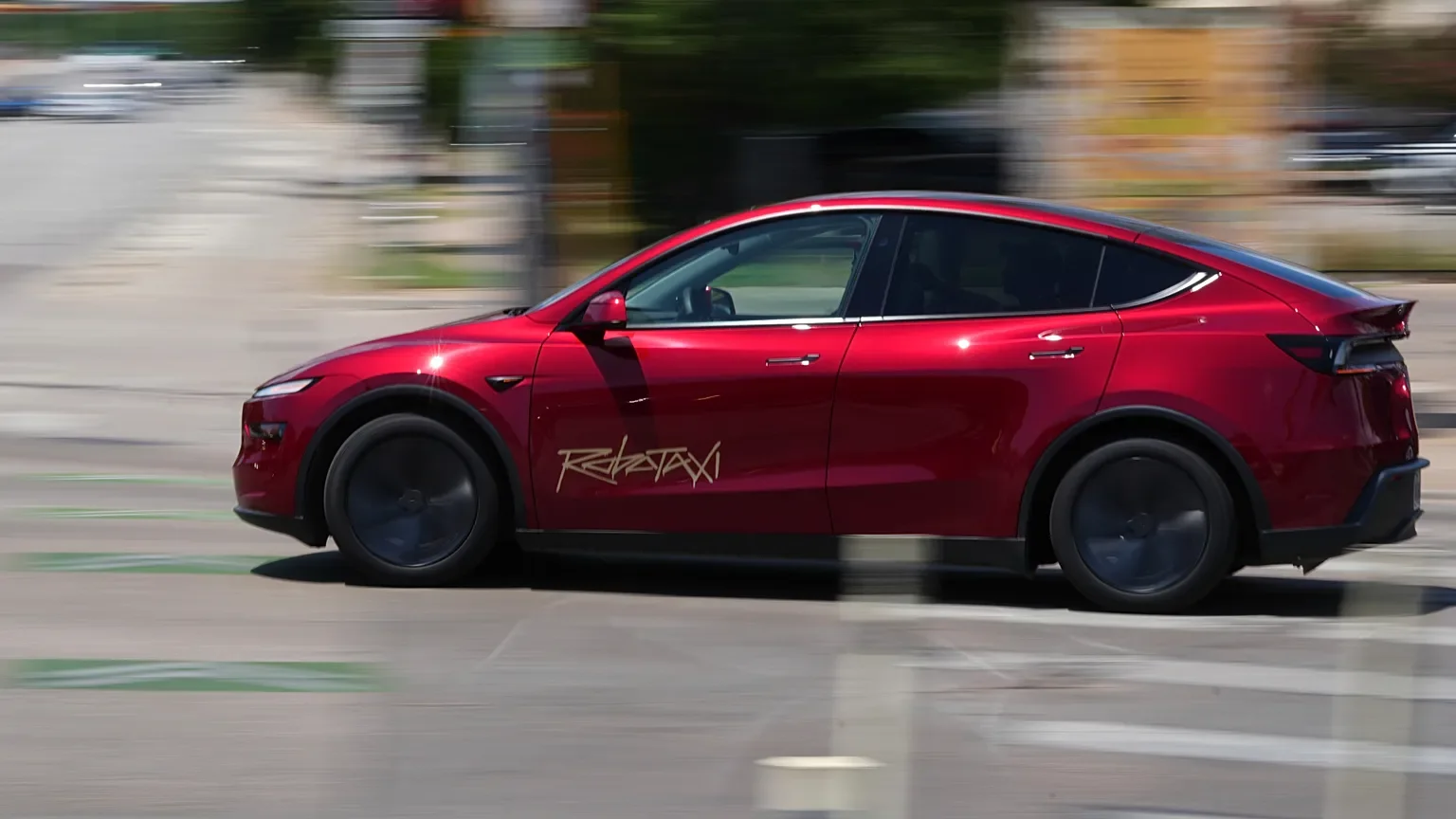
Unlocking Safer Streets, Reclaimed Spaces, and a Post-Scarcity Future
Self-driving technology stands on the brink of transforming cities, economies, and daily routines through advanced AI systems that outperform human drivers in consistency and safety.
Key Takeaways
Self-driving cars will reduce parked vehicles and parking lots, freeing up urban space for human use while cutting noise pollution and boosting road safety.
AI-driven autonomy enables cheaper, faster delivery of goods and redirects human attention from driving to more productive activities.
Tesla's vision-only approach, using cameras and neural networks, has advanced to handle complex urban scenarios flawlessly, surpassing earlier versions that struggled with basic curves.
This tech shifts from rule-based programming to learning from billions of miles of real-world data, similar to AI mastering chess through pattern recognition.
Broader impacts include massive drops in transportation and labor costs, but also potential job displacement, pushing society toward valuing human existence over work output.
Members only
The rest of this issue is part of the Farzad Corner membership. Sign in if you're already a member, or join to get access.