
Neuralink's Leap: From Sci-Fi to Everyday Reality
Neuralink's brain interface already lets quadriplegic users run a computer for eight hours a day by thought. Here's how the chip, the robot, and the decoding actually work.
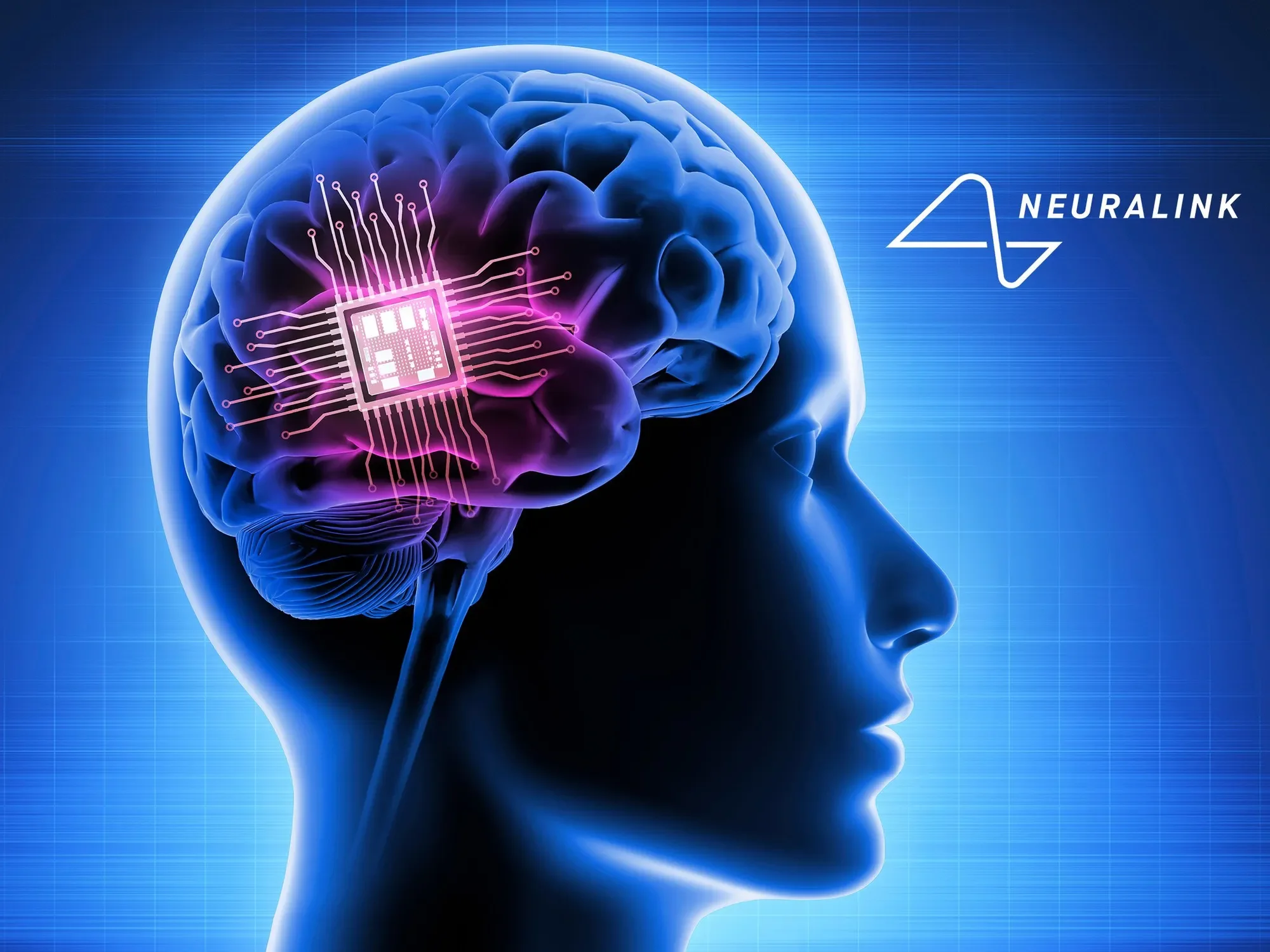
Unlocking Human Potential Through Brain-Machine Fusion
Neuralink is pushing boundaries in brain-computer interfaces, turning paralysis into possibility and aiming for full brain connectivity. With rapid advancements in implants, robotics, and decoding, the tech promises to restore lost functions and enhance cognition, all while scaling to help thousands.
Key Takeaways
Neuralink's first product enables quadriplegic users to control devices like computers and phones purely through thought, with average daily usage reaching eight hours.
The company has implanted devices in 13 people as of late 2024, focusing initially on spinal cord injuries and ALS, with plans to expand to restoring sensation, speech, and vision.
Surgical robots insert ultra-thin threads into the brain, avoiding blood vessels, with future versions targeting faster, more reliable procedures under one hour.
Implants feature 1,000 channels for neural recording, wireless charging, and data compression to transmit signals via Bluetooth, but scaling to higher channel counts demands innovations in power, packaging, and compression.
Decoding algorithms convert brain spikes into actions like cursor movement in 15-20 minutes of calibration, though ongoing drift requires robust, self-adapting ML models.
Long-term vision includes whole-brain interfaces for treating psychiatric disorders, augmenting abilities, and exploring the brain's inner workings, backed by vertical integration from chip design to manufacturing.
Members only
The rest of this issue is part of the Farzad Corner membership. Sign in if you're already a member, or join to get access.