
The AI Edge: Battlefield-Proven Tech Reshaping Global Power
AI forged under battlefield pressure is now rebuilding companies and exposing which countries can actually take the load. Defense ai technology is the wedge that decides who wins the next decade.
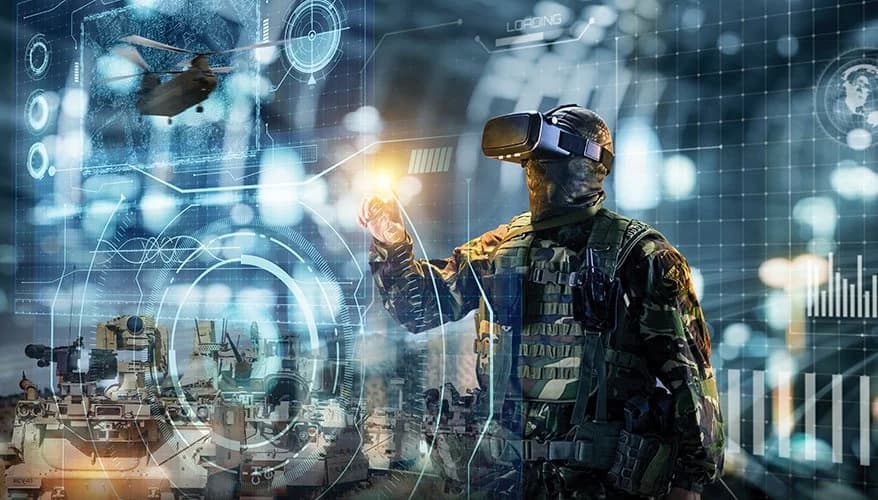
Why Defense-Born AI Could Define the Next Decade of Innovation and Inequality
AI built under extreme conditions isn't just surviving—it's thriving in ways that expose hidden weaknesses in systems worldwide, from militaries to corporations. This shift promises massive efficiency gains and strategic advantages, but it also risks amplifying divides between nations and workforces.
Key Takeaways
AI from defense applications excels in harsh, real-world scenarios, offering tools that organize data, enhance decision-making, and adapt dynamically—far beyond off-the-shelf models.
Businesses adopting this tech can slash costs by up to 80% in targeted areas while boosting top-line growth, turning unique internal knowledge into unbeatable competitive edges.
Adoption hurdles stem from legacy systems and failed experiments with basic AI, but structured approaches like ontology-driven models make it viable for regulated industries.
Job landscapes will evolve: vocational and technical roles gain value through AI augmentation, while traditional white-collar paths face reevaluation, favoring aptitude over formal credentials.
Globally, the US and China lead in scaling AI for military and economic gains, potentially widening gaps with Europe and parts of the developing world unless structural reforms address underlying inefficiencies.
Members only
The rest of this issue is part of the Farzad Corner membership. Sign in if you're already a member, or join to get access.