
The Dawn of History's Greatest Bull Market
I think we're at the start of the biggest AI bull market we'll ever see. The real question isn't if value gets created - it's who captures it and who gets left behind.
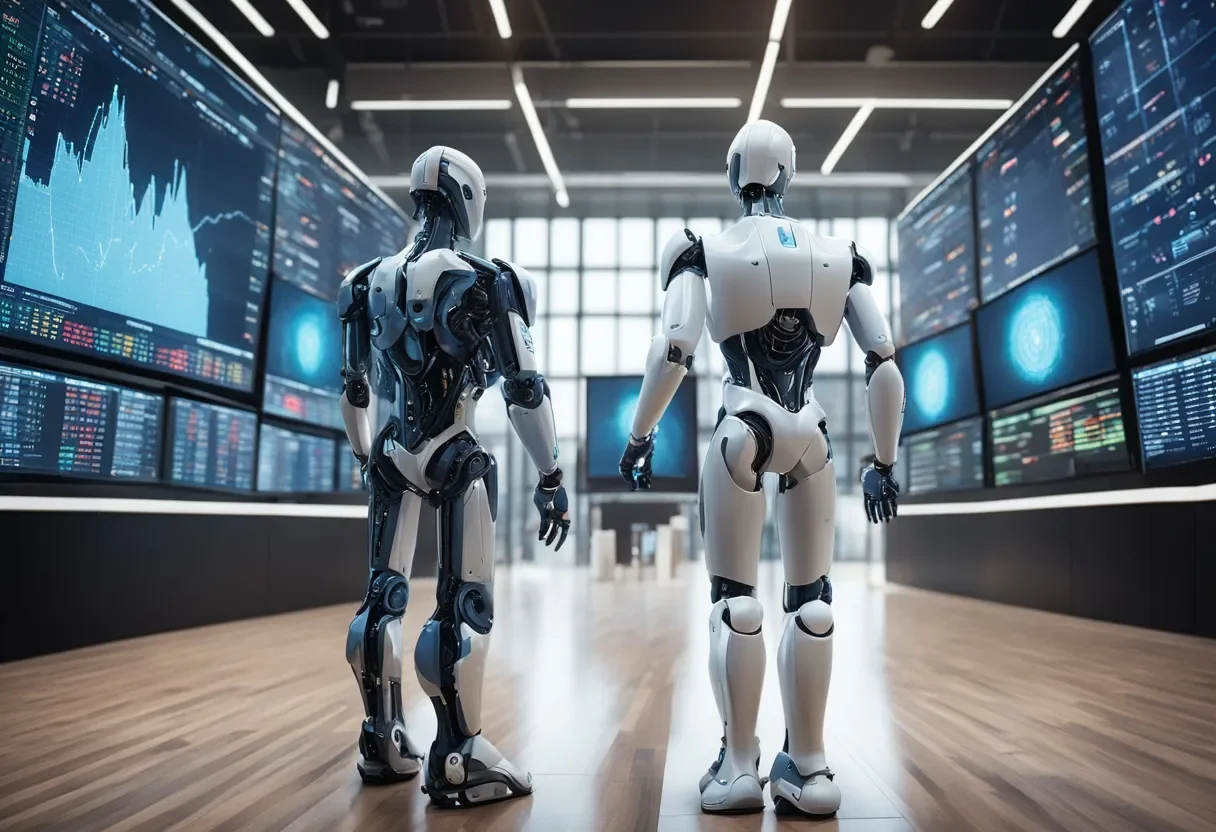
How AI Will Transform Wealth Creation
We’re entering what could be the most explosive period of value creation in modern history—driven not by financial engineering, but by AI, robotics, and automation.
Some of the world’s largest tech companies are growing at 70%+ from billion-dollar baselines. AI tools are reaching hundreds of millions of users in months. And the convergence of software intelligence with physical automation—self-driving vehicles, factory robots, autonomous logistics—is creating entirely new product categories and revenue streams.
This isn’t a tech cycle. It’s a transformation in how value is created, distributed, and captured across the entire economy.
Inside this breakdown:
Why AI infrastructure could underpin a generational bull market
How automation is driving margin expansion across industries
What new wealth-distribution models could emerge from mass job displacement
And why investors are pricing companies more like platforms than businesses
This is the start of something massive. The question is: who benefits—and who gets left behind?
The convergence of artificial intelligence, robotics, and automation is setting the stage for what may become the most significant bull market in history. This transformative period is being driven not just by incremental technological advances, but by fundamental shifts in how value is created and distributed throughout the global economy.
The infrastructure buildout for AI represents an unprecedented opportunity, with growth rates that defy historical precedents. Major technology companies are experiencing extraordinary expansion, with some achieving 70% growth even from multi-billion dollar revenue bases. The rapid adoption of AI tools and platforms, with some reaching hundreds of millions of users within months of launch, signals a fundamental shift in how businesses and individuals interact with technology.
This technological revolution extends far beyond software. The integration of AI into physical systems - from self-driving vehicles to advanced robotics - is creating entirely new categories of products and services. The productivity gains from these innovations are expected to drive significant margin expansion across industries, leading to higher earnings and valuations for companies successfully deploying these technologies.
However, this transformation also presents significant societal challenges. The displacement of traditional jobs by AI and automation could affect millions of workers across multiple sectors simultaneously. This transition will likely require new approaches to wealth distribution and economic participation. Various solutions are being explored, from robot taxation to innovative ownership structures that would allow broader participation in the gains from automation.
The market appears to be pricing in this AI-driven future, with valuations reflecting not just current business models but the potential for AI to fundamentally transform operations and create new revenue streams. Companies positioned at the forefront of this revolution are being valued as transformative technology platforms rather than traditional businesses in their respective sectors.
Looking ahead, the primary risks to this bull market appear to be external shocks rather than fundamental limitations of the technology itself. The continued development of AI capabilities, coupled with expanding applications across industries, suggests significant growth potential over the next decade. However, managing the societal transition and ensuring broad-based participation in this economic transformation will be crucial for maintaining stable growth.
For investors and business leaders, the implications are clear: positioning for this AI-driven future is becoming increasingly critical. The companies and individuals who successfully navigate this transition while helping to address its societal challenges will likely emerge as the primary beneficiaries of this historic bull market. The key will be balancing the pursuit of technological advancement with the need for sustainable and inclusive economic growth.
This technological revolution represents not just a market opportunity but a fundamental reshaping of how value is created and distributed in the global economy. The challenge ahead lies in ensuring that this transformation benefits society broadly while maintaining the innovation and growth that make it possible.