
America's Energy Renaissance
The U.S. went from energy importer to second-biggest LNG exporter in a decade. I think american energy dominance is the real story behind the AI buildout - if we don't strangle it with permitting.
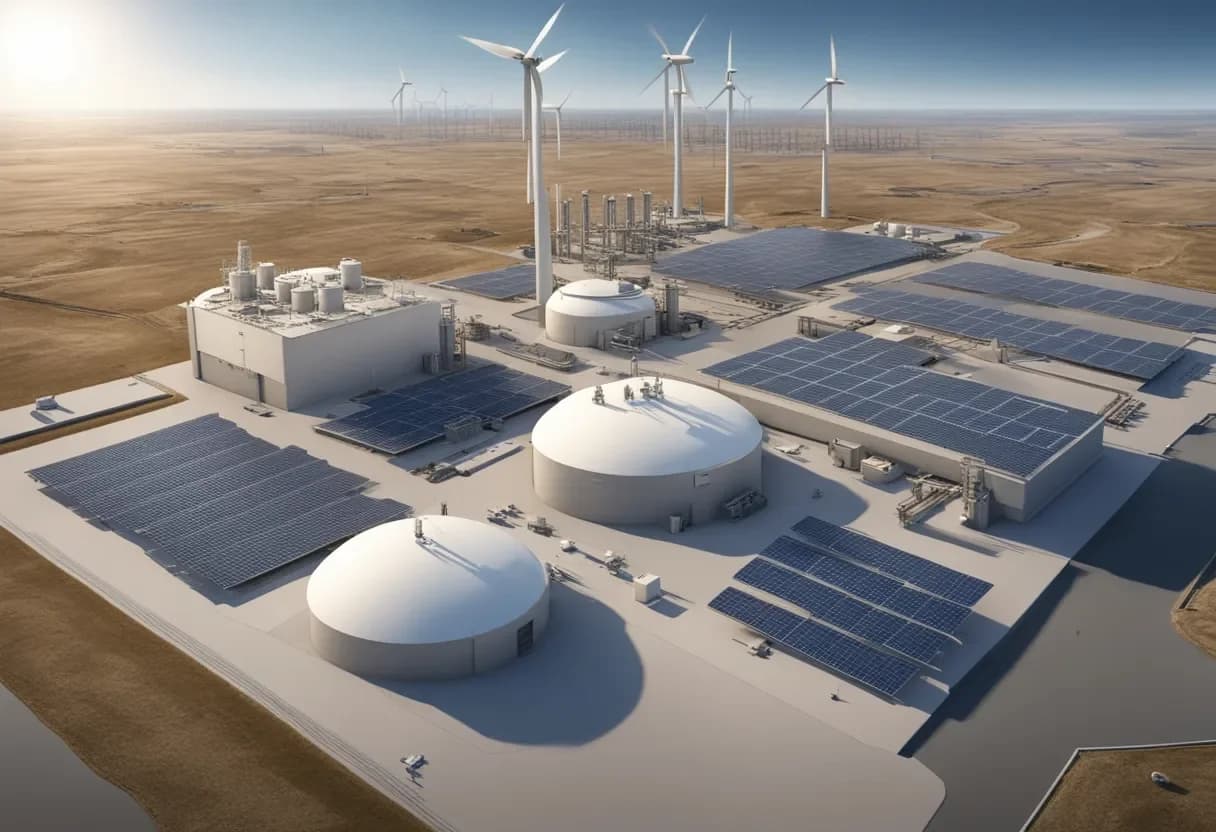
How Strategic Resource Development Could Reshape the Nation's Future
The U.S. is no longer just energy independent—it’s on the verge of becoming the energy superpower of the 21st century.
With LNG export capacity now second in the world, vast untapped mineral reserves, and cutting-edge technologies like Small Modular Reactors (SMRs) and AI-driven resource extraction, the United States sits at the intersection of economic renewal, energy dominance, and technological leadership.
But this isn’t just about fossil fuels or renewables. It’s about building a modern energy ecosystem that can power everything from AI superclusters to next-gen manufacturing—while setting global standards for environmental stewardship and strategic resilience.
Inside this analysis:
How energy exports are reshaping America’s geopolitical leverage
Why regulatory reform could unlock trillions in new infrastructure
What powering AI means for national energy planning
And how modern extraction techniques could align development with conservation
This is more than an energy shift. It’s the foundation of America’s next industrial era—if we get it right.
The United States stands at a pivotal moment in its economic and industrial trajectory, with unprecedented opportunities to establish global energy dominance while simultaneously advancing technological innovation and environmental stewardship. A dramatic transformation is underway in American energy policy, one that could fundamentally alter the nation's economic landscape and its position in the global order.
Recent developments in American energy infrastructure highlight this potential. The emergence of major LNG export facilities, now ranking second globally in capacity, represents a remarkable shift from the country's previous status as an energy importer. This transformation extends beyond mere energy independence – it positions America to become a crucial supplier to allies and partners worldwide, enhancing both economic and diplomatic leverage.
The path forward involves a comprehensive approach to energy development that encompasses traditional and innovative sources alike. From advanced nuclear technologies like Small Modular Reactors (SMRs) to enhanced oil and gas extraction methods, America's energy strategy is evolving to meet the massive demands of emerging technologies, particularly in artificial intelligence and advanced manufacturing.
Critical to this transformation is the intelligent utilization of federal lands and resources. The United States possesses vast mineral deposits, forests, and energy resources that, if properly managed, could generate substantial economic returns while maintaining environmental integrity. Modern extraction and resource management techniques make it possible to balance conservation with development, ensuring that America's natural beauty remains preserved while its resources contribute to national prosperity.
The stakes are particularly high given the global competition for energy dominance, especially from nations like China. While competitors often prioritize rapid development over environmental concerns, America's approach emphasizes cleaner extraction methods and more sustainable practices. This presents an opportunity to set global standards for responsible resource development while maintaining competitive advantages.
Regulatory reform plays a crucial role in this evolution. Current bureaucratic structures often impede critical infrastructure projects, from pipeline construction to grid modernization. Streamlining these processes while maintaining essential environmental protections could accelerate America's energy transformation without compromising safety or conservation goals.
The economic implications are profound. Enhanced energy production and export capabilities could help address long-term fiscal challenges, including the national deficit, while creating high-skilled jobs in modern manufacturing facilities that bear little resemblance to the industrial sites of the past. Today's energy and manufacturing facilities are clean, technologically advanced environments that require skilled workers and innovative solutions.
Perhaps most significantly, this energy renaissance could power the next wave of technological advancement, particularly in artificial intelligence and computing. The massive energy requirements for these technologies demand reliable, abundant power sources – a need that America is uniquely positioned to fulfill through its diverse energy portfolio.
This transformation represents more than just an energy policy shift; it's a comprehensive strategy for maintaining American leadership in technology, manufacturing, and environmental stewardship. By embracing this opportunity while maintaining commitment to responsible development practices, the United States can secure its position as a global leader in both energy production and technological innovation for decades to come.
Success will require careful balance between rapid development and environmental protection, between regulatory reform and necessary oversight, and between immediate needs and long-term sustainability. The path forward demands thoughtful implementation, but the potential rewards – energy independence, economic growth, technological leadership, and environmental stewardship – make this one of the most promising opportunities for American advancement in recent history.